Palazzo Gio. Battista Centurione
The palace was built by architects Battista Cantone and his son Filippo on behalf of Battista Centurione as from 1612. Recalling the renaissance model widely developed with the Strada Nuova palaces, the building is articulated on several floors beginning from a Bramante style ashlar band (just like the nearby palace founded by Cipriano Pallavicini at the end of 1400s.
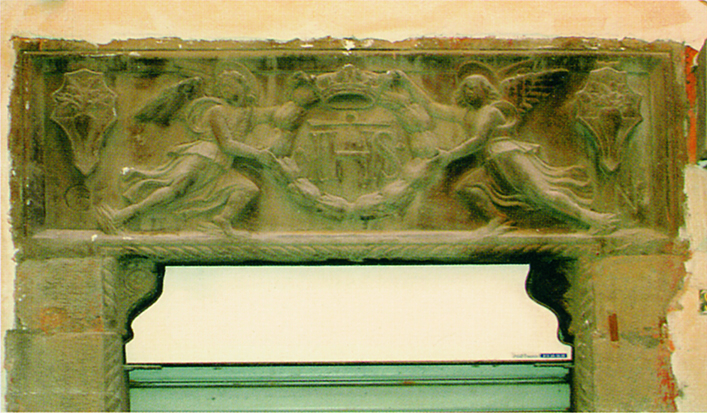
The portal in white marble provides access to the entrance and the monumental staircase.
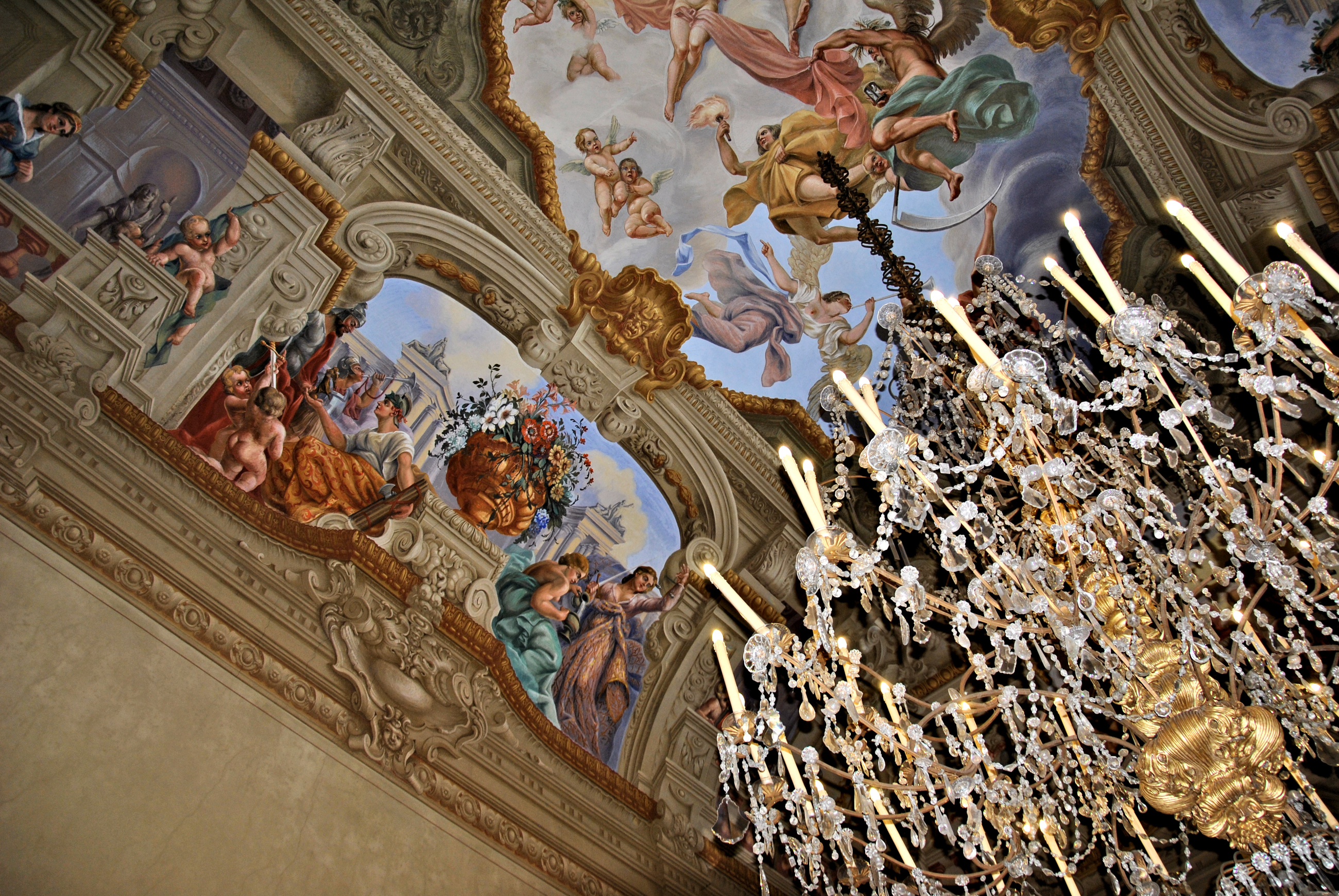
The first piano Nobile showcases stucco decorations deriving from a rocaille style renovation while the fresco decorations of the second piano Nobile witness the grandeur of the Centurions (during the 17th and 18th century) as well as the Cambiasos in the twentieth century.
The frescos in the first hall depict the four seasons and were painted by Giovanni Battista Semino in the first half of 1900s. All along the following halls we can admire frescos by Domenico Piola (Bacchus and Ariadne), Gregorio De Ferrari (triumphant Liguria; Allegory of Liberal Arts), Bartolomeo Guidobono (Juni’s chariot among the metamorphoses), as well as the extraordinary passing through-tunnel (a unique model in the Genoese panorama) painted by Bartolomeo Guidobono, whose barrel vault breaks through the myth’s illusory space.
The small chapel was decorated by Giovanni Carlone depicting, inside gilded stucco frames, the Eternal Father surrounded by the evangelists and by the angels bearing the symbols of Passion and hosted gilded wood carvings by Filippo Parodi.
Useful info